


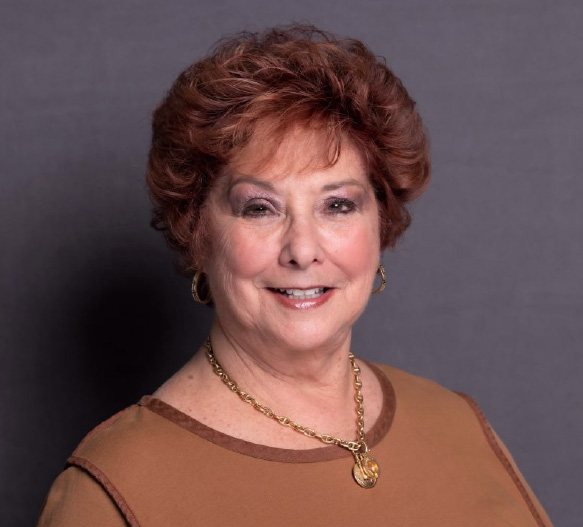
A Message from Jerri Rosen

Working Wardrobes Founder

What has moved my heart so very much these past 31 years is the people I’ve met. The people we serve. The people who provide support in countless ways. We’ve accomplished so much together, yet this quote comes to mind…

“It is not your responsibility to finish the work of perfecting the world, but you are not free to desist from it either.”

So, we are not done. There is much more to do. And that is where you come in. With your gift, our success will live on.
The Power of Your Legacy Gift

Fulfill your charitable goals

Realize tax benefits

Sustain our clients’ success

Gift Options

Donor Stories

Contact Us

Gift Options

  • Bequests
  • Appreciated Assets
  • Life Insurance

  • Charitable Lead Trust

  • Charitable Remainder Trust

Donor Stories

“Jerri and I have known each other for over 25 years, and I have walked every step of this incredible journey with her. I admire and respect the deep and meaningful impact she has made in our community, and I am profoundly proud of all that she’s accomplished.

When I heard Jerri was retiring, I became a Legacy Donor at once.

I view my gift as the best way to ensure her passion and spirit live on in the Working Wardrobes mission, for generations to come.”

Ready to Make Your Charitable Gift?

Already a donor? Share your story >

Sam Dawson, Jerri Rosen Legacy Fund Donor

Yes! I want to become a Jerri Rosen Legacy Fund Donor!

If you’d like to make a difference in the lives of our clients for generations to come, please contact us today and we will provide you with helpful information to get started.

    *It’s best to consult an attorney who is familiar with estate planning to determine the giving avenue that’s best for you, as well as to prepare the required documentation to make Working Wardrobes part of your estate plan.

    Frequently Asked Questions

    No. Any amount you’re able to give is worthwhile — the size of the gift isn’t what matters, it’s that it supports something you care about. Legacy gifts come in every size.

    Not necessarily, and it doesn’t have to be all-or-nothing. Many people choose to leave a set amount or percentage to their children first, and something more to the causes they support. As Warren Buffett put it, the goal is to leave your children “enough money so that they would feel they could do anything, but not so much that they could do nothing.”

    It can be as simple as updating a beneficiary designation on a life insurance policy or retirement account. It’s only as complex as you want it to be.

    For most straightforward gifts, no — updating a beneficiary designation usually doesn’t require one. For gifts involving your will or trust, a conversation with an attorney is worthwhile, but it’s typically a much easier conversation than people expect.

    You can always go back and make adjustments. Very few estate planning decisions are permanent — as your life and goals change, your plan can change with them.

    Yes. Outside of a few advanced planning strategies, almost all legacy gifts can be updated or adjusted at any time.

    Absolutely. A percentage gift adjusts automatically as your assets change over time, so you don’t have to revisit the number every year.

    There are several: a gift through your will or trust, a beneficiary designation on a retirement account (IRA or 401(k)) or life insurance policy, a qualified charitable distribution from your IRA, a donor-advised fund, or appreciated assets like stock, real estate, or a business.

    Starting at age 70½, you can give directly from your IRA to a nonprofit like Working Wardrobes, and that gift isn’t taxed. If you’re 73 or older and subject to required minimum distributions, a QCD can also count toward that requirement.

    It works like a charitable bank account. You contribute assets — often appreciated stock — take the tax deduction right away, and then recommend grants to your favorite organizations on your own timeline.

    Yes. Donating an appreciated asset directly to a nonprofit, rather than selling it first, means you avoid paying capital gains tax and can still take a deduction for the contribution.

    Yes. If a policy is no longer needed to protect your family — often once children are grown and self-sufficient — you can name Working Wardrobes as a full or partial beneficiary.

    No. Learning about your options is the first step. Many people take their time, talk it through with family or an advisor, and revisit their plan as things change.

    Take stock of what you have and think about what you want your legacy to be. From there, a conversation with your attorney or financial advisor can help you find the simplest path to make it happen.

    I kept these consistent with the “warm, not technical” tone from your brand guidelines, and left out firm tax-rate specifics since those weren’t given precisely in the episode. Want me to turn this into a Google Doc–style file, or is this ready to copy into WordPress as is?